
[BLOG] Considering Teaching ESL #2: Do You Really Want to Be an ESL Teacher, or Just Escape Your Job?
Many people romanticise becoming an ESL teacher as a quick escape from an unhappy job, but teaching ESL is a very different reality from a career fantasy. This post helps you distinguish between a genuine desire to be an English teacher and a simple urge to run from your current work, so you can make a clearer decision about an ESL career.
Kaya
2/16/2026
Please keep in mind that the opinions posted on this blog are my own.
Everybody might have a different experience and opinions, and that's OK.
If you have ever googled “becoming an ESL teacher” after a grim workday, you are not alone. Teaching ESL often looks like a graceful exit from burnout, bureaucracy, or boredom, wrapped in promises of travel and freedom.
Yet the classroom reality of being an English teacher is not a soft landing pad for professional frustration; it is its own demanding, emotionally complex profession. Becoming an ESL teacher can be deeply rewarding, but it will not magically fix dissatisfaction if the underlying reasons remain untouched.
Before leaping into an ESL career, it is worth asking a slightly uncomfortable question: do you truly want to teach, or are you simply trying to escape?
The Fantasy of the Fresh Start
Becoming an ESL teacher is often framed as a cinematic reinvention of the self. You quit your job, move abroad, and suddenly feel fulfilled. This fantasy is powerful, especially when your current workplace feels stifling. Teaching ESL, however, comes with its own pressures, routines, and frustrations that rarely appear online. You may swap spreadsheets for lesson plans, but you will still face deadlines and difficult colleagues. Many aspiring English teachers mistake a desire for change with a desire for teaching itself. A fresh start can be valuable, but only if it aligns with your genuine interests.
The Reality of Classroom Work
Becoming an ESL teacher means stepping into a profession that requires constant mental agility. Teaching ESL is not just chatting in English; it involves planning, assessment, and real-time problem-solving. Some days will be exhilarating, others exhausting. An English teacher must navigate mixed-ability groups and unpredictable dynamics. Classroom reality rarely matches the carefree image of teaching abroad, and that mismatch can be jarring. If you enjoy learning and explaining, this complexity can feel stimulating. If not, it may feel like you have traded one stress for another.
The Emotional Labour You Cannot Outsource
Becoming an ESL teacher involves more emotional labour than many expect. Teaching ESL means supporting students across linguistic and cultural boundaries. You may encourage a shy learner, mediate conflict, or reassure an anxious professional. This aspect of being an English teacher is rarely highlighted, yet it shapes your daily experience. If you value human connection, this can be deeply fulfilling. If you prefer low-emotion work, it may feel draining.
Passion for Language vs Desire for Escape
Becoming an ESL teacher is most sustainable when rooted in genuine curiosity about language. Teaching ESL requires patience with repetition and fascination with how people learn. If your main motivation is escaping a toxic job, relief may be temporary. An English teacher who loves language tends to see challenges as puzzles. Someone who simply wanted to run away may see them as proof that all work is miserable. Clarifying your motivation can prevent a painful mismatch.
What You Gain vs What You Leave Behind
Becoming an ESL teacher involves trade-offs that are not always obvious. Teaching ESL can offer flexibility and creativity, but may also mean less job security or irregular hours. Some aspiring English teachers romanticise freedom without considering stability. Others underestimate how much they value structure until it disappears. An honest comparison between what you are escaping and what you are stepping into is essential.
Choosing Teaching, Not Just Change
Becoming an ESL teacher should be a decision to enter teaching, not just to leave something else. Teaching ESL requires commitment, reflection, and resilience. The best English teachers are driven by curiosity and empathy. If your desire is rooted in these values, your ESL career is more likely to feel meaningful. If your main drive is escape, you may repeat the same dissatisfaction elsewhere. Choosing teaching deliberately is what turns a risky leap into a purposeful path.
Becoming an ESL teacher can be an exciting and meaningful career shift, but it should not be chosen as a simple escape from unhappiness. Teaching ESL demands emotional labour, intellectual engagement, and genuine interest in language and learning. Classroom reality is richer and messier than Instagram suggests, and an ESL career carries its own challenges alongside its rewards. The key question is not whether you want to leave your current job, but whether you truly want to be an English teacher. If the answer is yes, teaching ESL can be deeply fulfilling; if not, you may need a different path.
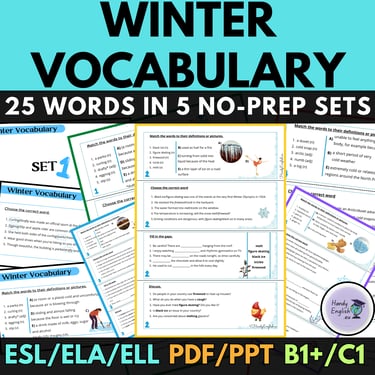
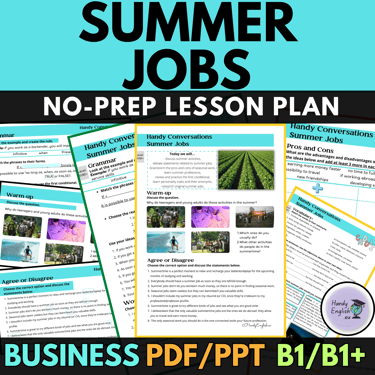
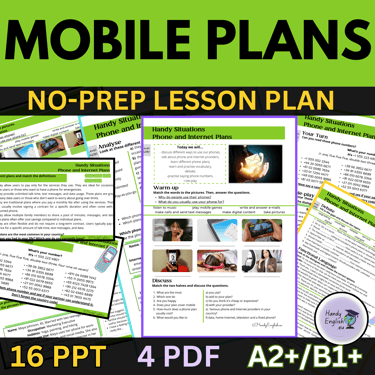
Ready to step into the real classroom reality of teaching ESL?
If you’re seriously considering becoming an ESL teacher, explore my practical, classroom-tested materials that prepare you for the actual work of being an English teacher - not the Instagram version. Check out my Handy English teacher packs and lesson resources to build your confidence, skills, and your future ESL career today.






And now...., for something (not so completely) different!
A Mini “Psychotest” for Future ESL Teachers
Before you decide, sit with these questions. There are no right answers — only honest ones.
A. Motivation (Why do you want this?)
Do I want to teach, or do I mainly want to leave my current job?
Would I still consider becoming an ESL teacher if travel was not involved?
Am I excited about language, or just about lifestyle?
Am I looking for meaning, freedom, or simply relief?
B. Temperament (How do I handle people?)
Am I comfortable working closely with many different personalities?
How do I react when someone is frustrated or upset?
Do I have patience for slow progress?
Can I stay calm when things don’t go as planned?
C. Work Style (How do I like to work?)
Do I enjoy planning, organising, and preparing?
Am I comfortable thinking on my feet?
Do I handle unpredictable situations well?
Can I work even when I feel tired or uninspired?
D. Relationship with Language
Am I genuinely curious about how English works?
Do I enjoy explaining things to others?
Am I comfortable admitting “I don’t know” sometimes?
Do I see mistakes as failures or learning opportunities?
E. Lifestyle and Trade-Offs
Am I ready for possible financial uncertainty?
Do I need strict routine, or do I enjoy flexibility?
How important is job stability to me?
What am I willing to give up for an ESL career?
F. Long-Term Vision
Can I imagine myself teaching in five years?
Do I see this as a temporary escape or a real profession?
What kind of English teacher do I want to become?
What impact do I want to have on my students?
If many of your answers lean towards curiosity, patience, and genuine interest in teaching, you are probably looking at a good fit. If most answers point towards escape, stress relief, or lifestyle fantasy, you may need a different kind of change.


Get in touch!
Copyright Handy English 2021
”I used this with an adult ELL tutee of mine. I appreciate that the language was accessible for multiple proficiency levels, but the content wasn't obviously geared for children and still useful for older learners.”
August 7, 2023
”Another great resource from Handy English! I used it to give my students more in-depth practise into quantifiers and restaurant language. It's great resource and can be used after the students learn the basics of language for the restaurants and quantifiers. Definitely helped solidify what they learnt.”
February 5, 2023
”Love this resource. Great for fast finishers and also those in small ESL groups. Great for all macro skills as discussion and brainstorming is a great precursor for writing submissions.”
- Gail M.
June 25, 2023
Here's what other ESL Teachers say
Handy English: 4.8/5
”This was a wonderful resource for my students. It helped me introduce them easily to new concepts and it was quite engaging. Thanks!”
- Kiara B.
October 10, 2023
”Great resource for learning vocabulary, which supports comprehension and speaking skills.”
- Lori-Ann W.
September 29, 2023
”What a great way to get a healthy debate going. My students struggle with impulse control and they all have kept it kind and appropriate.”
- Alicia H.
September 17, 2023


